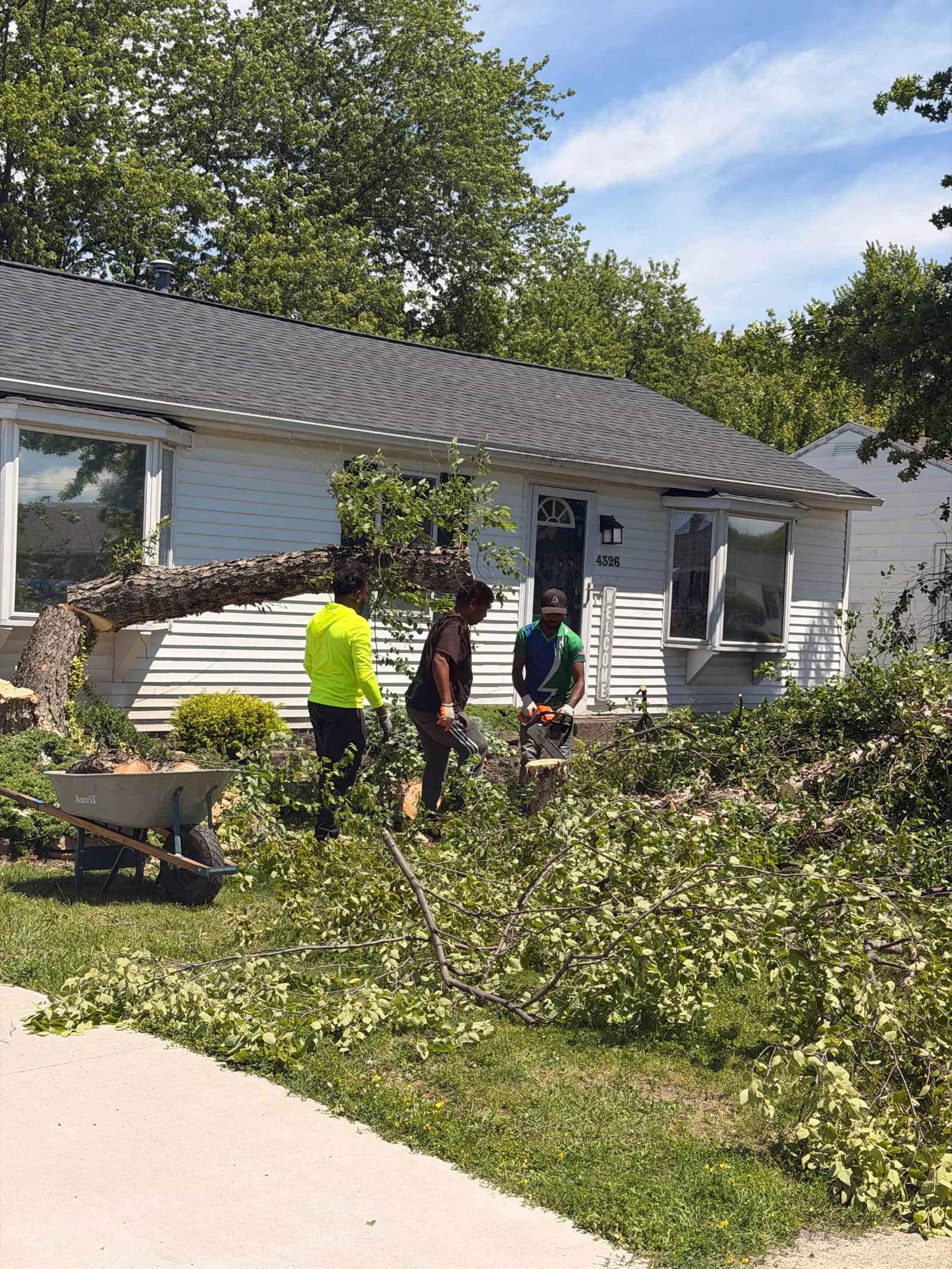
When a tree falls during a Buffalo windstorm or under the weight of lake-effect snow, the immediate concern is safety and cleanup. But once the immediate danger is handled, a common and genuinely confusing question arises: who is responsible for paying for the damage and cleanup? The answer depends on where the tree came from, whether negligence was involved, and what your homeowner's insurance policy says.
New York's general rule on fallen tree liability
New York follows a general rule that property owners are responsible for damage that occurs on their own property — meaning if your neighbor's tree falls on your car or house, it is typically YOUR insurance that covers the damage to your property, not your neighbor's. The origin of the tree doesn't automatically transfer liability to the tree's owner.
This surprises many homeowners who assume that because the tree came from the neighbor's yard, the neighbor is responsible. Unless you can prove the neighbor was negligent, New York courts generally don't hold tree owners liable simply because a tree fell.
When negligence changes the picture
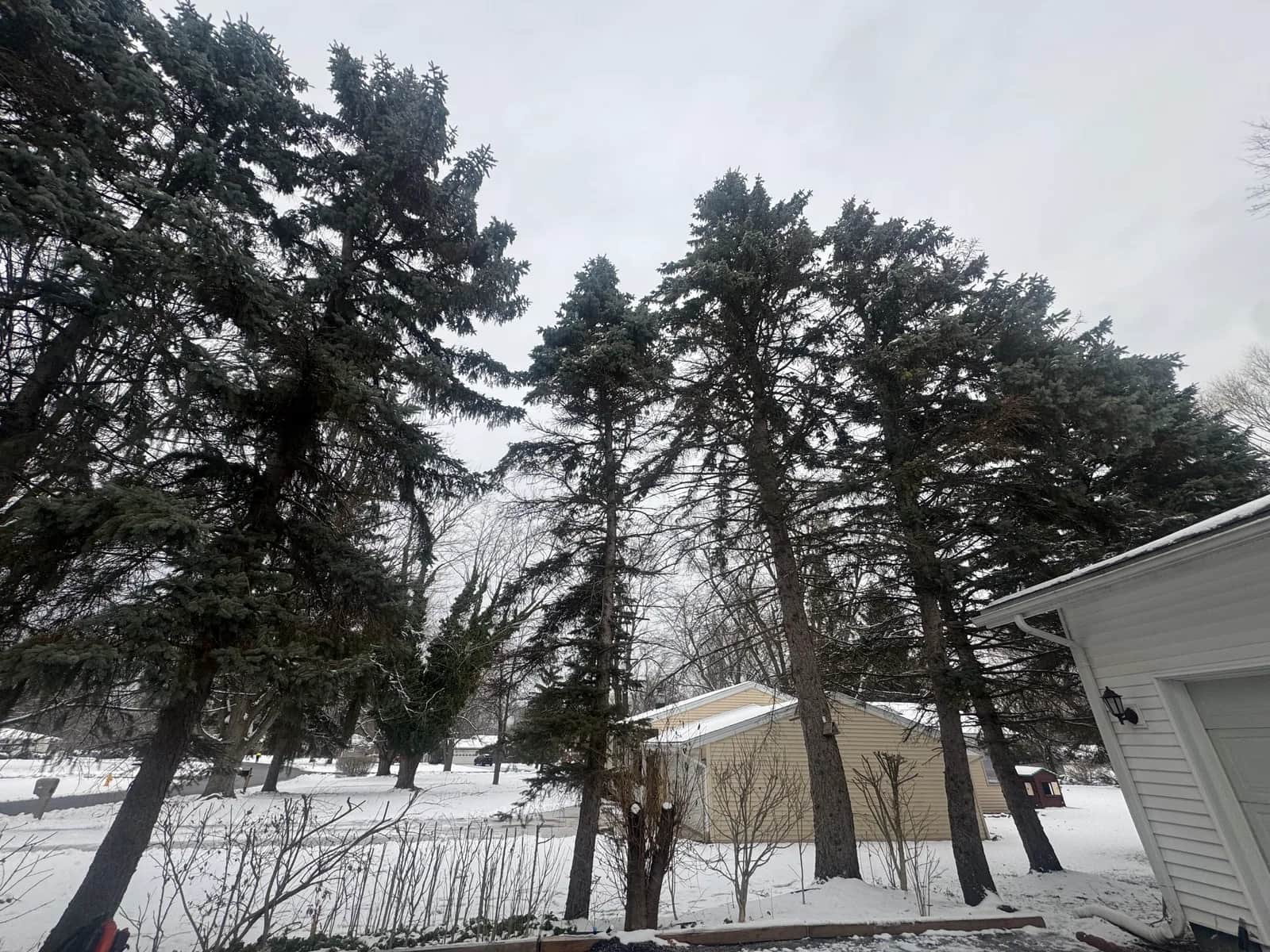
Negligence is the key exception to the general rule. If a tree owner knew or should have known that a tree was hazardous — dead, heavily decayed, leaning dangerously — and failed to take action, they can be held liable for damage their tree causes. This is where the condition of the tree and your knowledge of that condition matters enormously.
- Tree was visibly dead, hollow, or heavily decayed before the fall
- Multiple large branches had already fallen from the tree in the past
- Tree had a significant lean toward your property that worsened over time
- You or another person had previously notified the tree owner of the hazard
How to protect yourself: written notice
If you believe a neighbor's tree poses a risk to your property, send written notice — ideally via certified mail — describing the hazard and requesting action. A letter creates a record that the neighbor had knowledge of the problem. Without this record, establishing negligence is very difficult in a court case. This is one of the most practical steps you can take to protect yourself legally.
Equally important: if a neighbor notifies YOU that one of your trees is hazardous, take it seriously. Get an arborist assessment and document that you responded. Ignoring a written notice is exactly the kind of negligence that shifts liability.
What homeowner's insurance covers
Most standard homeowner's insurance in New York covers structural damage to your home, garage, or other attached structures caused by a fallen tree. This coverage applies regardless of whether the tree was yours or your neighbor's. Removal of the tree is typically covered to a sub-limit (often $500–$1,000) when the tree fell on a covered structure. Trees that land in the yard without hitting anything are generally not covered for debris removal.
Overhanging branches from a neighbor's tree
In New York, you have the legal right to trim branches that cross over your property line, but only back to the property line — not further. You generally do not have the right to enter the neighbor's property to do this without their permission. If the trimming would significantly damage or kill the tree (and the tree has value), be careful: you could be held liable for the tree's loss. Communication with your neighbor before taking action is strongly advisable.
What to do right now if a tree has fallen
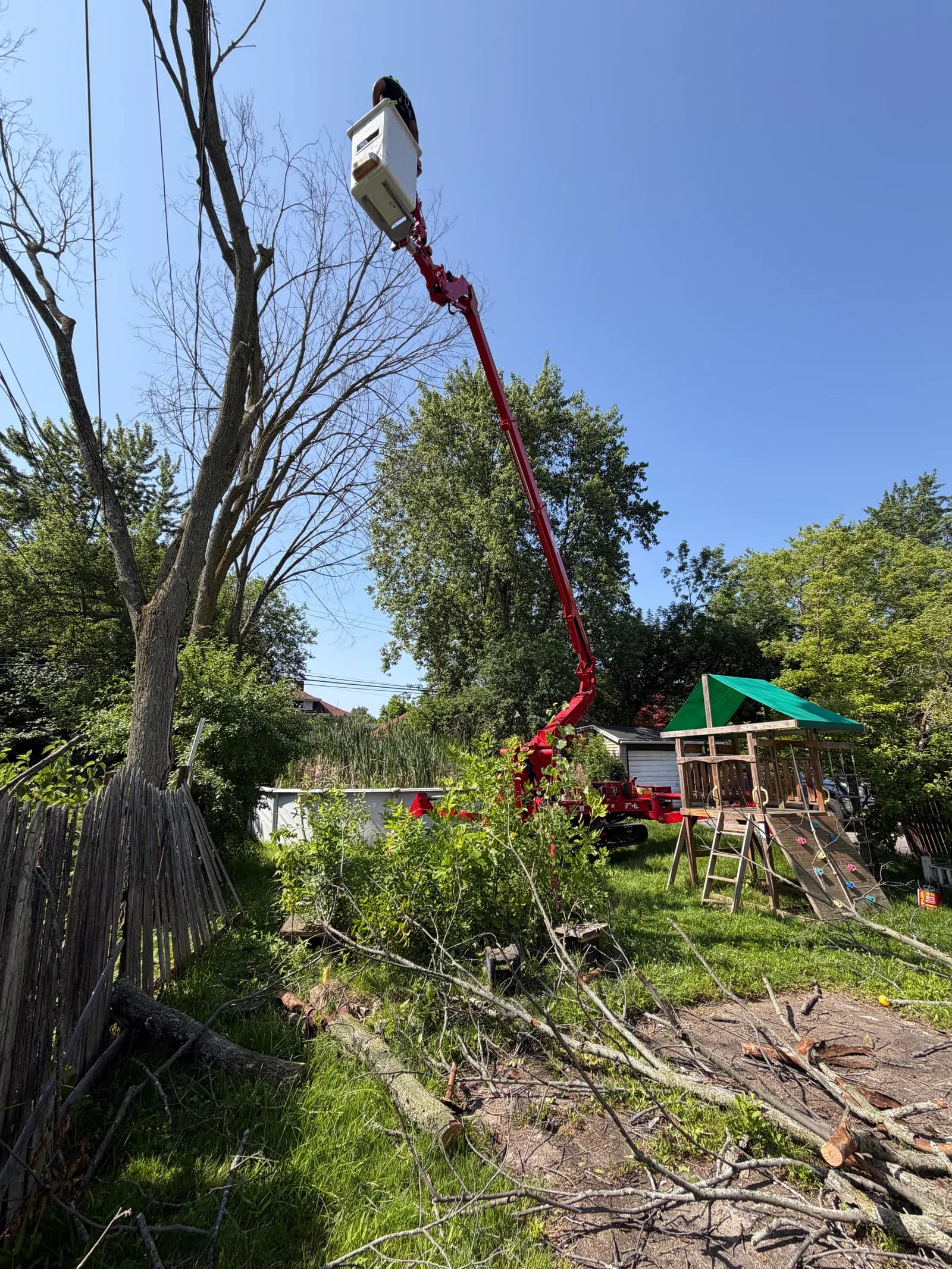
First: ensure safety and avoid power lines. Then document all damage thoroughly with photos before any cleanup. Call your insurance company before removal begins — they may want to send an adjuster. Then call a licensed tree service. Buffalo Tree Soldiers provides emergency tree removal across Buffalo, Amherst, Cheektowaga, Tonawanda, West Seneca, and surrounding Western New York communities.
For a step-by-step guide on handling storm aftermath, read storm damage tree removal in Buffalo NY, and review when to call for emergency tree removal to understand when to act immediately. You can also schedule tree removal for hazardous trees before they become a liability issue. The New York State Department of Financial Services has guidance on what New York homeowner's insurance policies are required to cover.