Tree Too Close to Your House? Remove, Trim, or Monitor

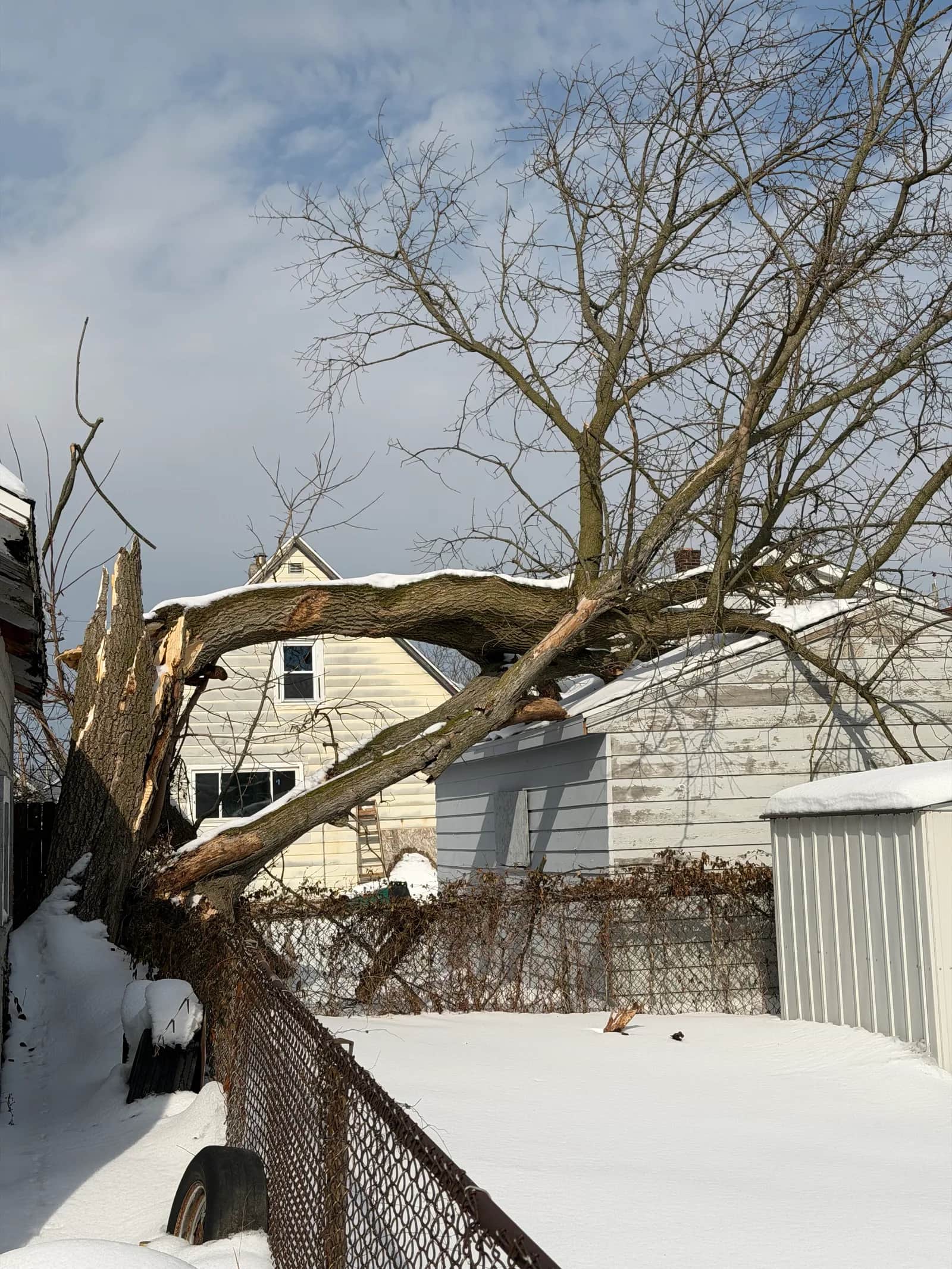
If you are dealing with storm damaged tree insurance buffalo ny, the first priority is safety, not paperwork. After that, documentation quality determines how..

Tree Too Close to Your House? Remove, Trim, or Monitor

April 30, 2026 · Buffalo Tree Soldiers

Handle Safety and Claims in the Right Order
If you are dealing with storm damaged tree insurance buffalo ny, the first priority is safety, not paperwork. After that, documentation quality determines how smoothly your claim conversation goes. Many homeowners lose time and leverage by cleaning too quickly without evidence or by delaying hazard mitigation while waiting for claim guidance.

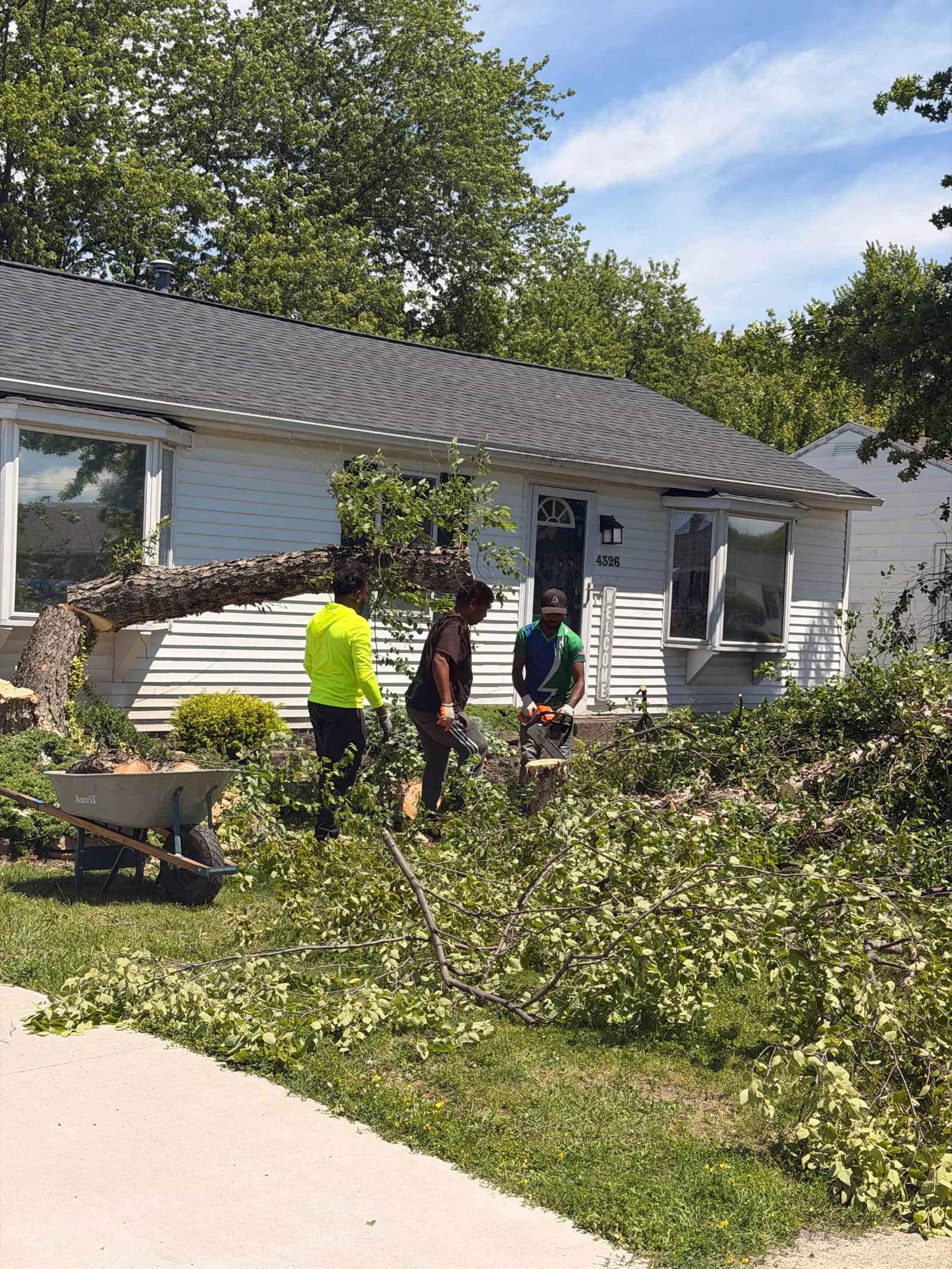
Storm-damaged trees create three simultaneous concerns: immediate risk, property damage scope, and insurance interpretation. A good process handles all three without sacrificing life safety.

In this article

  • What insurance commonly covers after tree damage
  • What to document in the first 24 hours
  • How neighbor-tree scenarios are typically handled
  • Emergency mitigation vs final corrective scope
  • Buffalo storm context and claim timing realities
  • Frequently asked questions

What Coverage Usually Looks Like

Damage to covered structures

Policies often respond when a fallen tree damages insured structures, subject to terms, exclusions, and deductible.

Tree removal and debris limits

Some policies include limited tree removal benefits when structure/access is affected, but limits vary. In storm damaged tree insurance buffalo ny situations, assumptions create problems—verify policy details directly.

Preventive work before failure

Pre-failure tree correction is usually treated as maintenance rather than claim expense, though it can prevent larger losses.

For policy-level references, consultNYS insurance guidance.

First 24 Hours: Documentation Workflow
  1. Take wide photos before moving debris (when safe).
  2. Capture close-up damage details to structures and contents.
  3. Record limb origin, impact path, and hazard remnants.
  4. Save weather timing notes and emergency call records.
  5. Keep all receipts tied to urgent mitigation.

If active hazard remains, prioritize24/7 emergency tree responsebefore non-urgent cleanup.

Neighbor Trees and Boundary Questions

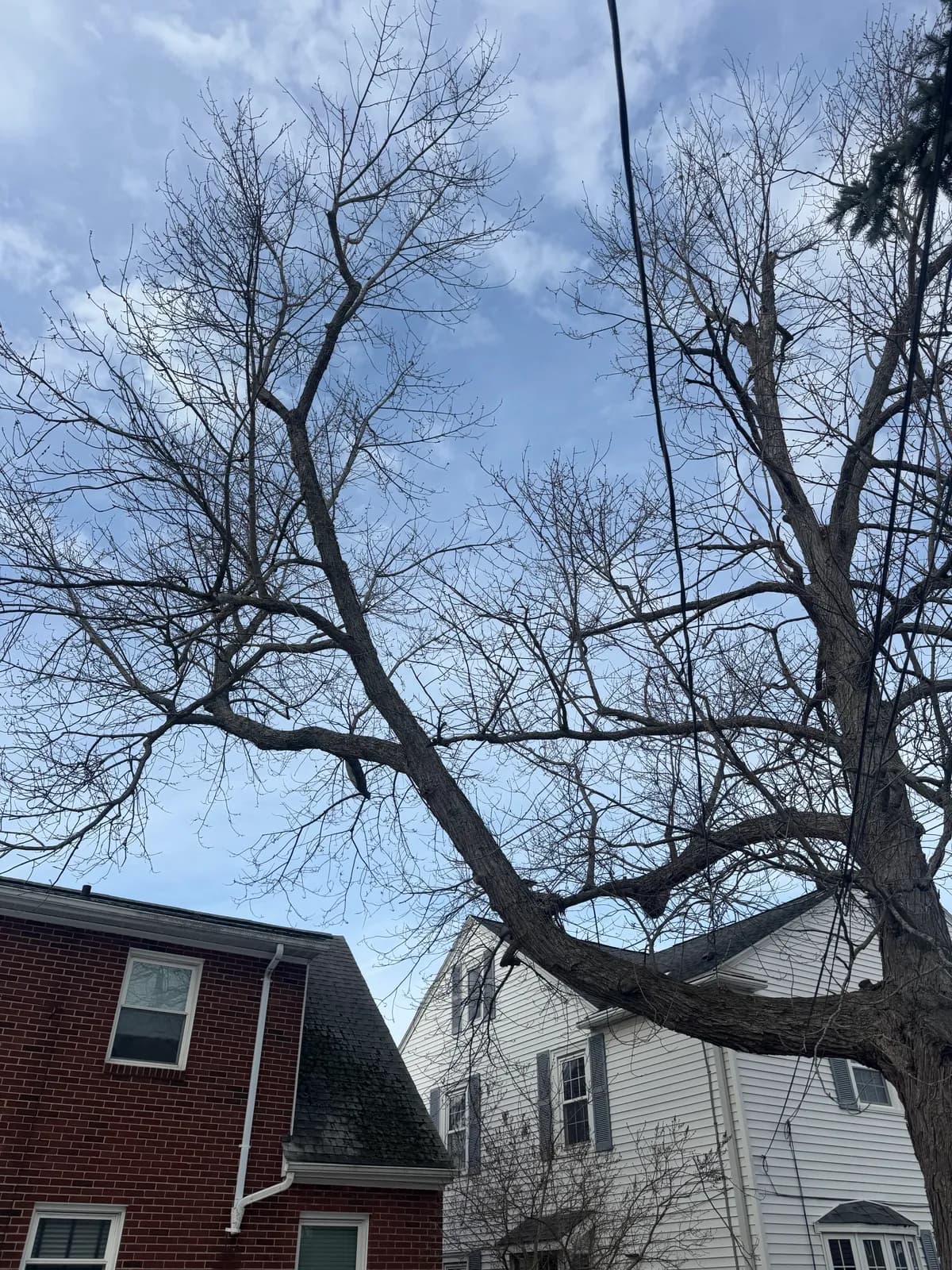
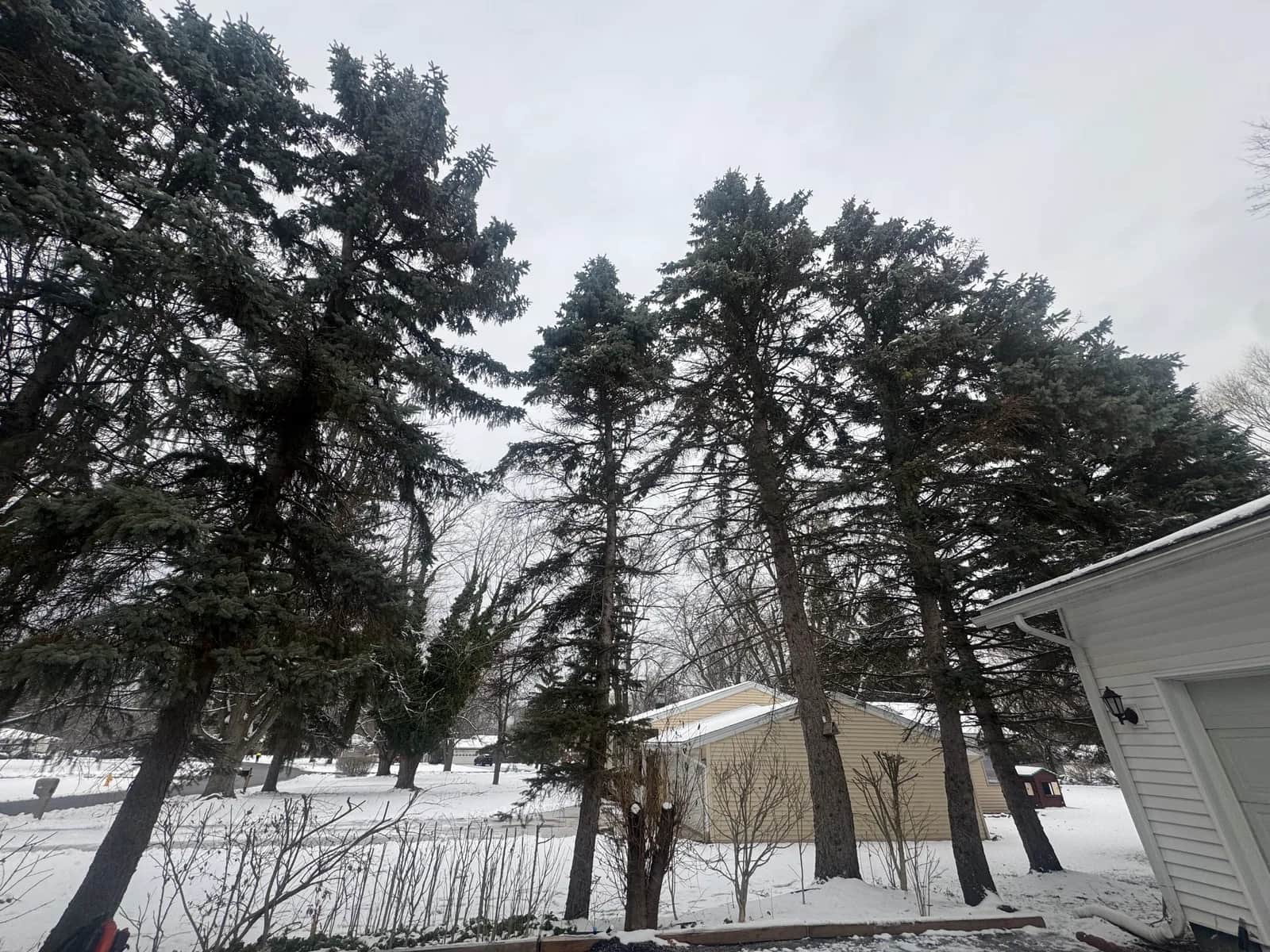
When damage involves neighboring property lines, document trunk origin and visible pre-existing condition where possible. Avoid assumptions about liability until insurers review facts.

If remaining structure is unstable, coordinate immediate risk reduction withinsured storm-tree removal planningwhile preserving claim evidence.

Emergency Mitigation vs Final Scope
Emergency scope

Focuses on immediate hazard reduction: hanging limb stabilization, access clearance, and secondary-damage prevention.

Final scope

Includes full corrective tree work, debris disposition, and restoration planning. If root flare or future use is affected, includecomplete stump grinding support.

For whole-property sequencing,post-storm tree recovery supportcan align hazard mitigation with final restoration stages.

Buffalo Claim Context

In practice, we see this most after lake-effect wind events across Elmwood Village, North Buffalo, and South Buffalo where mature street-adjacent trees can affect parked cars, porches, and overhead service drops in the same incident.

Buffalo storms often involve mixed wind-plus-snow loading and delayed secondary failures. Older lots with mature canopy can produce multi-impact events where documentation quality becomes even more important.

UseCity of Buffalo tree regulationsfor local context andISA arborist guidancefor neutral structural references. Confirm local service availability viaBuffalo and Erie County service coverage.

Homeowner checklist

  • Keep hazard zones clear until stabilized.
  • Document before, during, and after each work phase.
  • Save all communication and receipts.
  • Clarify scope changes with insurer and contractor in writing.
  • Request written hazard findings from your tree provider.
  • Do not authorize optional scope before documenting necessity.

Conclusion

With storm damaged tree insurance buffalo ny, clarity comes from sequence: safety first, evidence second, scope third. If hazards are active, stabilize now and preserve documentation so both safety outcomes and claim outcomes stay strong.
Frequently Asked Questions

Does insurance always pay for storm-related tree removal?

Coverage is policy-specific. Some plans pay for removal only when a covered structure or access route is affected; others cap debris benefits. Always verify your declarations and endorsements before assuming reimbursement.

Should I wait for adjuster approval before removing dangerous limbs?

Handle this in sequence: (1) stabilize immediate hazards, (2) capture photo/video documentation, (3) notify carrier and keep all invoices. Most claim friction comes from poor records, not from doing necessary emergency safety work.

If my neighbor’s tree falls on my property, who pays?

In many cases, your carrier addresses your damage first, then determines recovery/subrogation with the neighbor’s carrier based on facts, negligence evidence, and policy language.

Buffalo field scenario 1

A realistic local example of storm documentation and insurance workflow helps explain why timing decisions matter. In this scenario, homeowners dealing with storm damaged tree insurance buffalo ny noticed gradual change after two weather cycles, then sharper progression after one high-wind event. The key lesson is that visible trend matters more than one-time appearance. By documenting condition, comparing two itemized scopes, and prioritizing life-safety targets first, the final plan reduced both risk and total disruption. For Buffalo-area lots, this method avoids reactive emergency decisions and keeps work aligned with access, cleanup, and long-term property use.

Another practical takeaway is communication. Owners who discuss drop zones, site protection, and cleanup details before work begins usually avoid most post-job disputes. When the team explains why trim, removal, or monitoring is recommended, homeowners can make confident decisions under pressure. This is especially important when storm damaged tree insurance buffalo ny involves structures, driveways, sidewalks, or neighboring boundaries where consequences are higher.

From a budgeting standpoint, staged planning is often better than deferral. Addressing highest-risk components first, then scheduling lower-priority corrections, usually costs less than emergency response after avoidable failure. In Buffalo conditions, that strategy is a reliable way to manage storm documentation and insurance workflow while preserving safety and property function.

Buffalo field scenario 2

A realistic local example of storm documentation and insurance workflow helps explain why timing decisions matter. In this scenario, homeowners dealing with storm damaged tree insurance buffalo ny noticed gradual change after two weather cycles, then sharper progression after one high-wind event. The key lesson is that visible trend matters more than one-time appearance. By documenting condition, comparing two itemized scopes, and prioritizing life-safety targets first, the final plan reduced both risk and total disruption. For Buffalo-area lots, this method avoids reactive emergency decisions and keeps work aligned with access, cleanup, and long-term property use.

Another practical takeaway is communication. Owners who discuss drop zones, site protection, and cleanup details before work begins usually avoid most post-job disputes. When the team explains why trim, removal, or monitoring is recommended, homeowners can make confident decisions under pressure. This is especially important when storm damaged tree insurance buffalo ny involves structures, driveways, sidewalks, or neighboring boundaries where consequences are higher.

From a budgeting standpoint, staged planning is often better than deferral. Addressing highest-risk components first, then scheduling lower-priority corrections, usually costs less than emergency response after avoidable failure. In Buffalo conditions, that strategy is a reliable way to manage storm documentation and insurance workflow while preserving safety and property function.

Buffalo field scenario 3

A realistic local example of storm documentation and insurance workflow helps explain why timing decisions matter. In this scenario, homeowners dealing with storm damaged tree insurance buffalo ny noticed gradual change after two weather cycles, then sharper progression after one high-wind event. The key lesson is that visible trend matters more than one-time appearance. By documenting condition, comparing two itemized scopes, and prioritizing life-safety targets first, the final plan reduced both risk and total disruption. For Buffalo-area lots, this method avoids reactive emergency decisions and keeps work aligned with access, cleanup, and long-term property use.

Another practical takeaway is communication. Owners who discuss drop zones, site protection, and cleanup details before work begins usually avoid most post-job disputes. When the team explains why trim, removal, or monitoring is recommended, homeowners can make confident decisions under pressure. This is especially important when storm damaged tree insurance buffalo ny involves structures, driveways, sidewalks, or neighboring boundaries where consequences are higher.

From a budgeting standpoint, staged planning is often better than deferral. Addressing highest-risk components first, then scheduling lower-priority corrections, usually costs less than emergency response after avoidable failure. In Buffalo conditions, that strategy is a reliable way to manage storm documentation and insurance workflow while preserving safety and property function.

For homeowners evaluating storm damaged tree insurance buffalo ny, documented trend analysis and early intervention usually produce safer outcomes than delayed, weather-driven decisions.

Back to blog

Get a free estimate

Call or request a quote. We'll get back to you quickly.

  • Free estimates
  • Same-day & emergency service
  • Licensed & insured