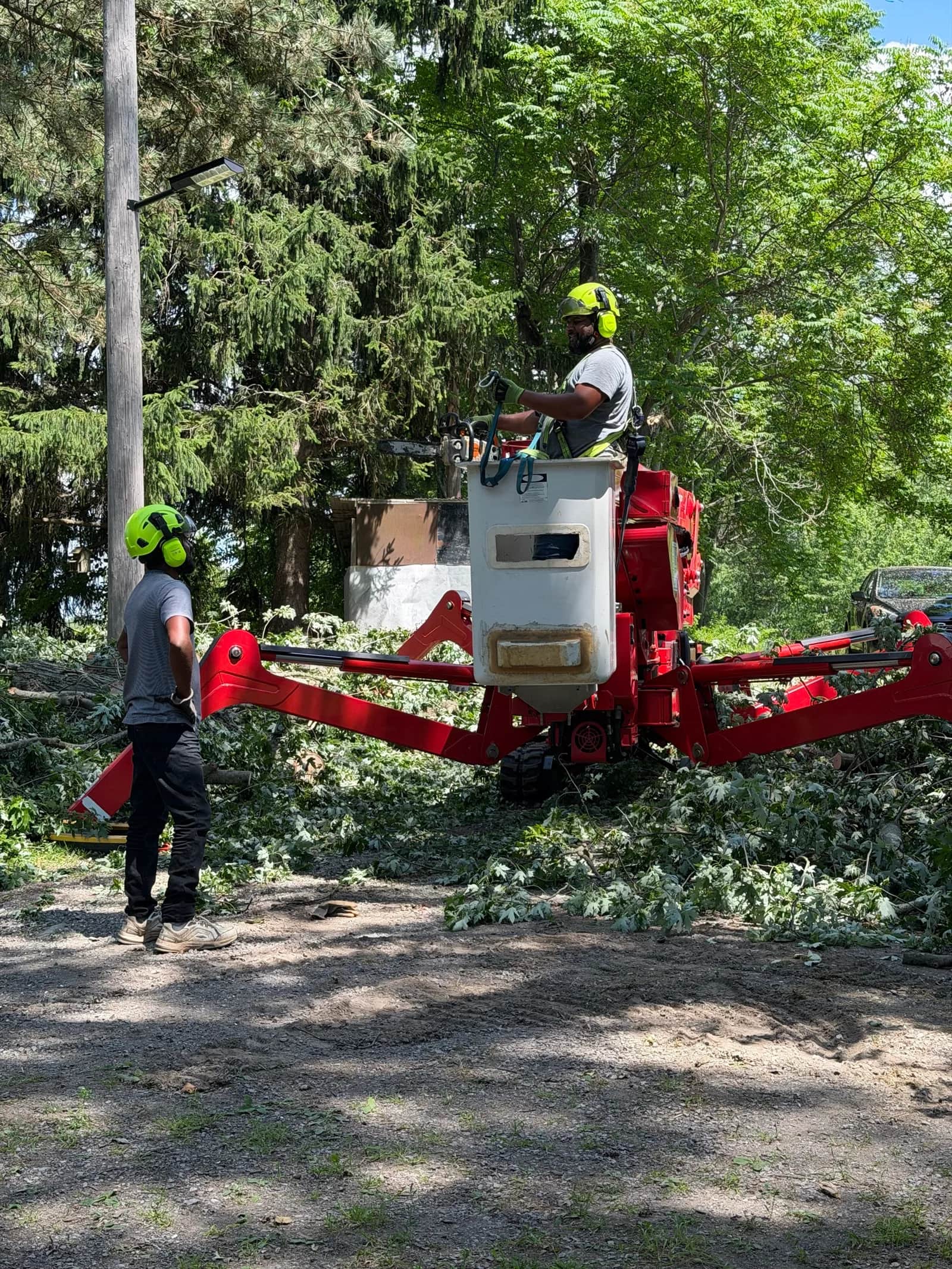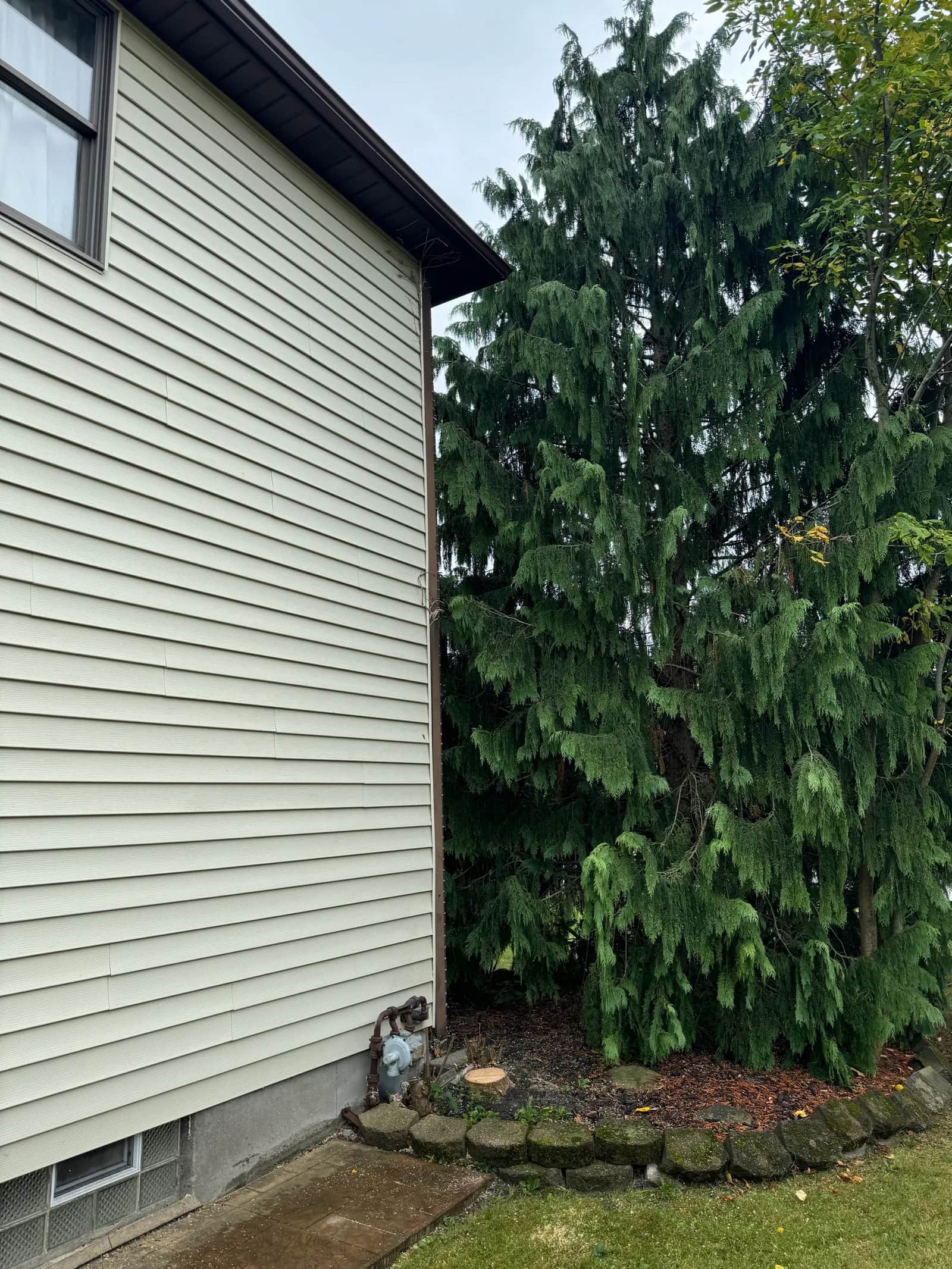
April 30, 2026 · Buffalo Tree Soldiers
Tree Decisions Can Affect Sale Price and Deal Friction

If you are asking remove tree before selling house buffalo ny, you are likely balancing curb appeal, inspection risk, and budget before listing. Some trees increase buyer appeal when healthy and maintained. Others create visible risk that lowers buyer confidence, prompts inspection objections, and leads to concessions.
In Buffalo-area markets, mature canopy is common on older lots. Buyers and agents increasingly notice overhang risk, deadwood, and root-related hardscape damage. Pre-listing tree decisions can prevent last-minute negotiation pressure and help your listing present as “well maintained” rather than “deferred risk.”
In this article
- How trees influence buyer perception and offer quality
- Inspection items that trigger price negotiations
- When trimming improves sale readiness
- When removal protects transaction stability
- Buffalo-specific pre-listing considerations
- Frequently asked questions
How Trees Influence Buyer Behavior
Positive value when condition is strong
Healthy canopy can improve visual appeal, shade comfort, and neighborhood character.
Negative value when defects are obvious
Visible lean, dead limbs over structures, and root-lifted walkways can create immediate buyer hesitation. In remove tree before selling house buffalo ny scenarios, this often shows up as reduced offers or inspection credits.
Time pressure during contract phase
If tree issues are discovered late, sellers face compressed timelines and reduced leverage. Pre-listing corrections keep control on the seller side.
Inspection and Appraisal Friction Points
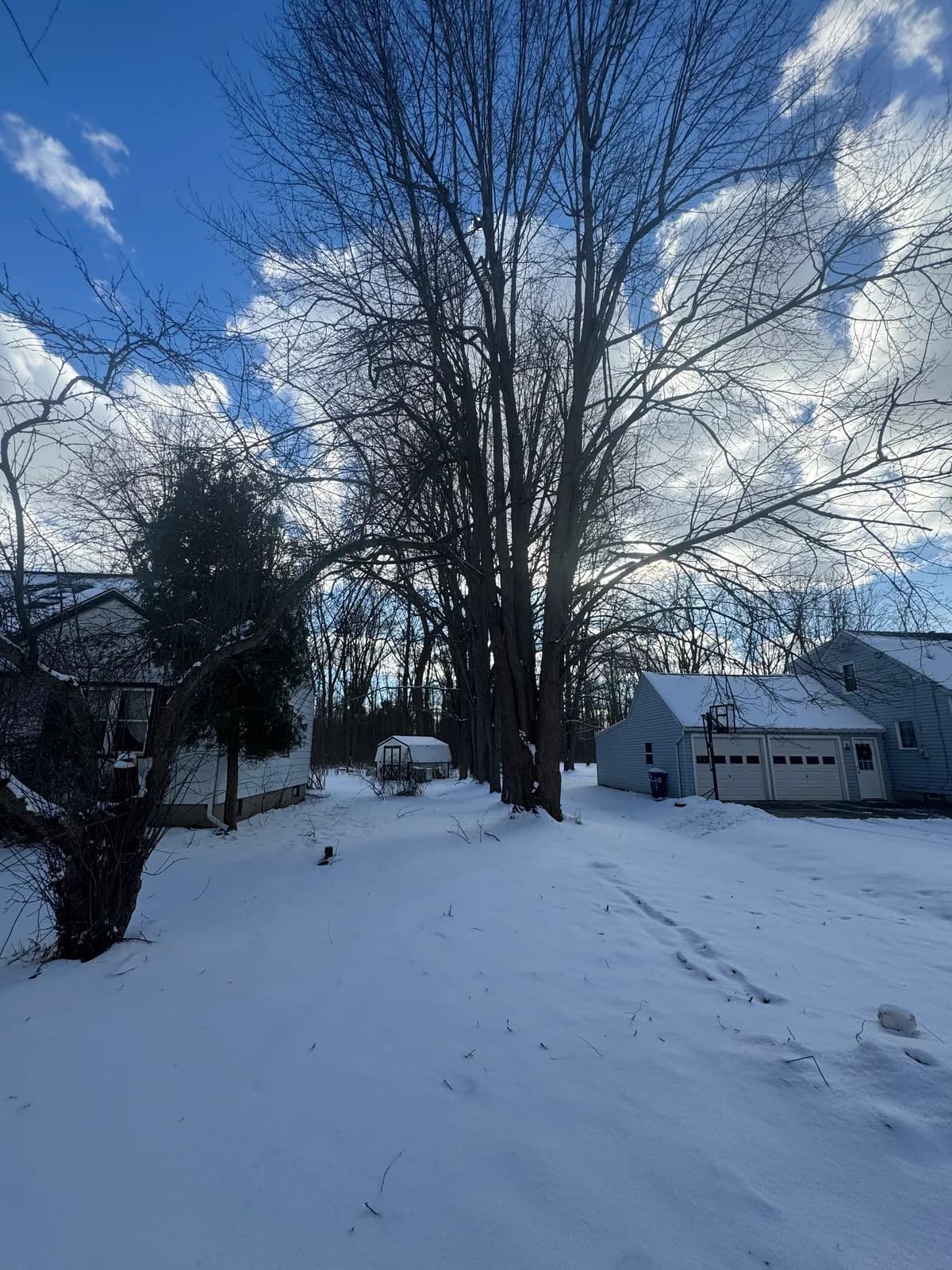
Common triggers include:
- large overhang near rooflines
- dead or declining stems near structures
- trip hazards from sidewalk/root lift
- storm-damaged canopy not professionally corrected
Addressing these early withtargeted tree trimming optionsorprofessional tree removal in Buffalotypically reduces renegotiation risk.
Trim vs Remove Before Listing
Trim when the tree is healthy and overgrown
Pruning can improve light, clearance, and sightlines while preserving canopy benefits.
Remove when defect risk is clear
If structural decline is visible and target exposure is high, removal is often the cleaner transaction decision. If appearance and usability matter post-removal, includecomplete stump grinding support.
Stage work by risk and listing schedule
For multi-tree properties,full-service local tree carecan prioritize visible hazards first and defer lower-risk maintenance.
Buffalo Real-Estate Context
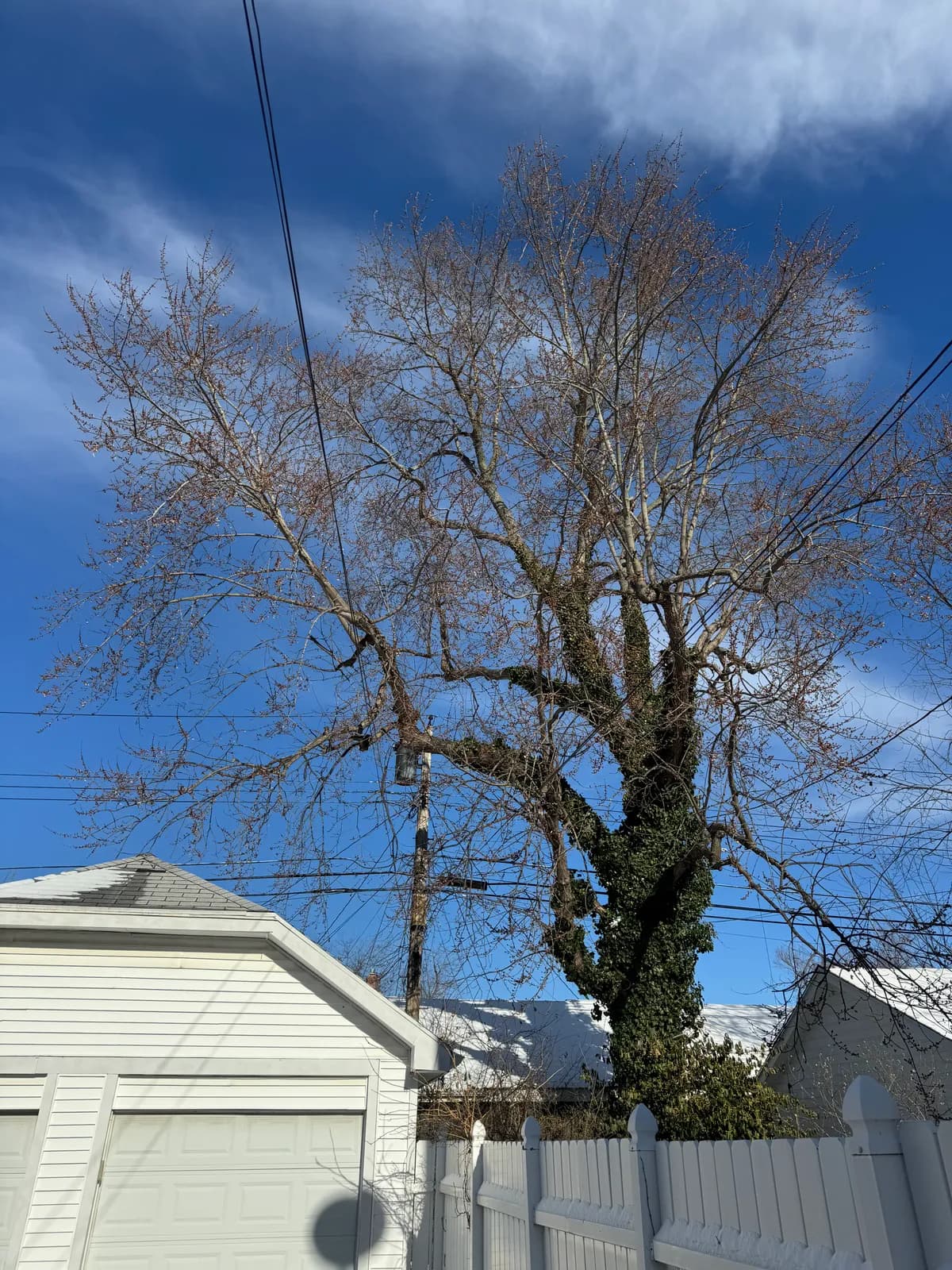
Older Buffalo, Amherst, and Tonawanda properties frequently combine mature trees with tight setbacks. Buyers evaluating winter risk or insurance implications may be less tolerant of visible canopy hazards.
UseCity of Buffalo tree regulationsfor local context, andISA arborist guidancefor neutral safety standards. Regional maintenance context fromCornell Cooperative Extensioncan also support informed planning.
Documentation That Helps Sellers
- before/after photos
- written scope and completed-work invoice
- proof of contractor insurance
- note on any remaining recommended maintenance
Good records reduce uncertainty for buyers and agents. Confirm service coverage viaareas we serve across Western New York.
Homeowner checklist before listing photos
- Inspect overhang, deadwood, and walkway conflicts.
- Resolve high-visibility hazards first.
- Keep records ready for inspection questions.
- Avoid postponing obvious risk until contract stage.
- Recheck condition after major wind events.
- Coordinate with agent on timing and curb-appeal priorities.
Conclusion
For many sellers, remove tree before selling house buffalo ny is less about aesthetics and more about transaction control. Proactive tree decisions can reduce buyer objections, protect deal timelines, and improve listing confidence. If you are listing soon, get a pre-listing tree assessment and resolve the highest-risk items first.
Frequently Asked Questions
Does removing one risky tree really help sale outcomes?
Often yes, especially when that tree is visibly hazardous near structures. Removing a known risk can prevent inspection-driven concessions and improve buyer confidence.
Should I let buyers decide tree work after inspection?
That approach usually shifts leverage to buyers and can increase requested credits. Pre-listing correction often gives sellers stronger control over scope and cost.
Can pruning be enough before sale?
Yes when structure is sound and risk is mainly overgrowth. Where structural defects are advanced, removal is usually the more reliable pre-sale strategy.
Buffalo field scenario 1
A realistic local example of pre-listing tree risk reduction helps explain why timing decisions matter. In this scenario, homeowners dealing with remove tree before selling house buffalo ny noticed gradual change after two weather cycles, then sharper progression after one high-wind event. The key lesson is that visible trend matters more than one-time appearance. By documenting condition, comparing two itemized scopes, and prioritizing life-safety targets first, the final plan reduced both risk and total disruption. For Buffalo-area lots, this method avoids reactive emergency decisions and keeps work aligned with access, cleanup, and long-term property use.
Another practical takeaway is communication. Owners who discuss drop zones, site protection, and cleanup details before work begins usually avoid most post-job disputes. When the team explains why trim, removal, or monitoring is recommended, homeowners can make confident decisions under pressure. This is especially important when remove tree before selling house buffalo ny involves structures, driveways, sidewalks, or neighboring boundaries where consequences are higher.
From a budgeting standpoint, staged planning is often better than deferral. Addressing highest-risk components first, then scheduling lower-priority corrections, usually costs less than emergency response after avoidable failure. In Buffalo conditions, that strategy is a reliable way to manage pre-listing tree risk reduction while preserving safety and property function.
Buffalo field scenario 2
A realistic local example of pre-listing tree risk reduction helps explain why timing decisions matter. In this scenario, homeowners dealing with remove tree before selling house buffalo ny noticed gradual change after two weather cycles, then sharper progression after one high-wind event. The key lesson is that visible trend matters more than one-time appearance. By documenting condition, comparing two itemized scopes, and prioritizing life-safety targets first, the final plan reduced both risk and total disruption. For Buffalo-area lots, this method avoids reactive emergency decisions and keeps work aligned with access, cleanup, and long-term property use.
Another practical takeaway is communication. Owners who discuss drop zones, site protection, and cleanup details before work begins usually avoid most post-job disputes. When the team explains why trim, removal, or monitoring is recommended, homeowners can make confident decisions under pressure. This is especially important when remove tree before selling house buffalo ny involves structures, driveways, sidewalks, or neighboring boundaries where consequences are higher.
From a budgeting standpoint, staged planning is often better than deferral. Addressing highest-risk components first, then scheduling lower-priority corrections, usually costs less than emergency response after avoidable failure. In Buffalo conditions, that strategy is a reliable way to manage pre-listing tree risk reduction while preserving safety and property function.
Buffalo field scenario 3
A realistic local example of pre-listing tree risk reduction helps explain why timing decisions matter. In this scenario, homeowners dealing with remove tree before selling house buffalo ny noticed gradual change after two weather cycles, then sharper progression after one high-wind event. The key lesson is that visible trend matters more than one-time appearance. By documenting condition, comparing two itemized scopes, and prioritizing life-safety targets first, the final plan reduced both risk and total disruption. For Buffalo-area lots, this method avoids reactive emergency decisions and keeps work aligned with access, cleanup, and long-term property use.
Another practical takeaway is communication. Owners who discuss drop zones, site protection, and cleanup details before work begins usually avoid most post-job disputes. When the team explains why trim, removal, or monitoring is recommended, homeowners can make confident decisions under pressure. This is especially important when remove tree before selling house buffalo ny involves structures, driveways, sidewalks, or neighboring boundaries where consequences are higher.
From a budgeting standpoint, staged planning is often better than deferral. Addressing highest-risk components first, then scheduling lower-priority corrections, usually costs less than emergency response after avoidable failure. In Buffalo conditions, that strategy is a reliable way to manage pre-listing tree risk reduction while preserving safety and property function.
For homeowners evaluating remove tree before selling house buffalo ny, documented trend analysis and early intervention usually produce safer outcomes than delayed, weather-driven decisions.