April 30, 2026 · Buffalo Tree Soldiers
Dead Ash Trees in Buffalo Require Faster Decisions
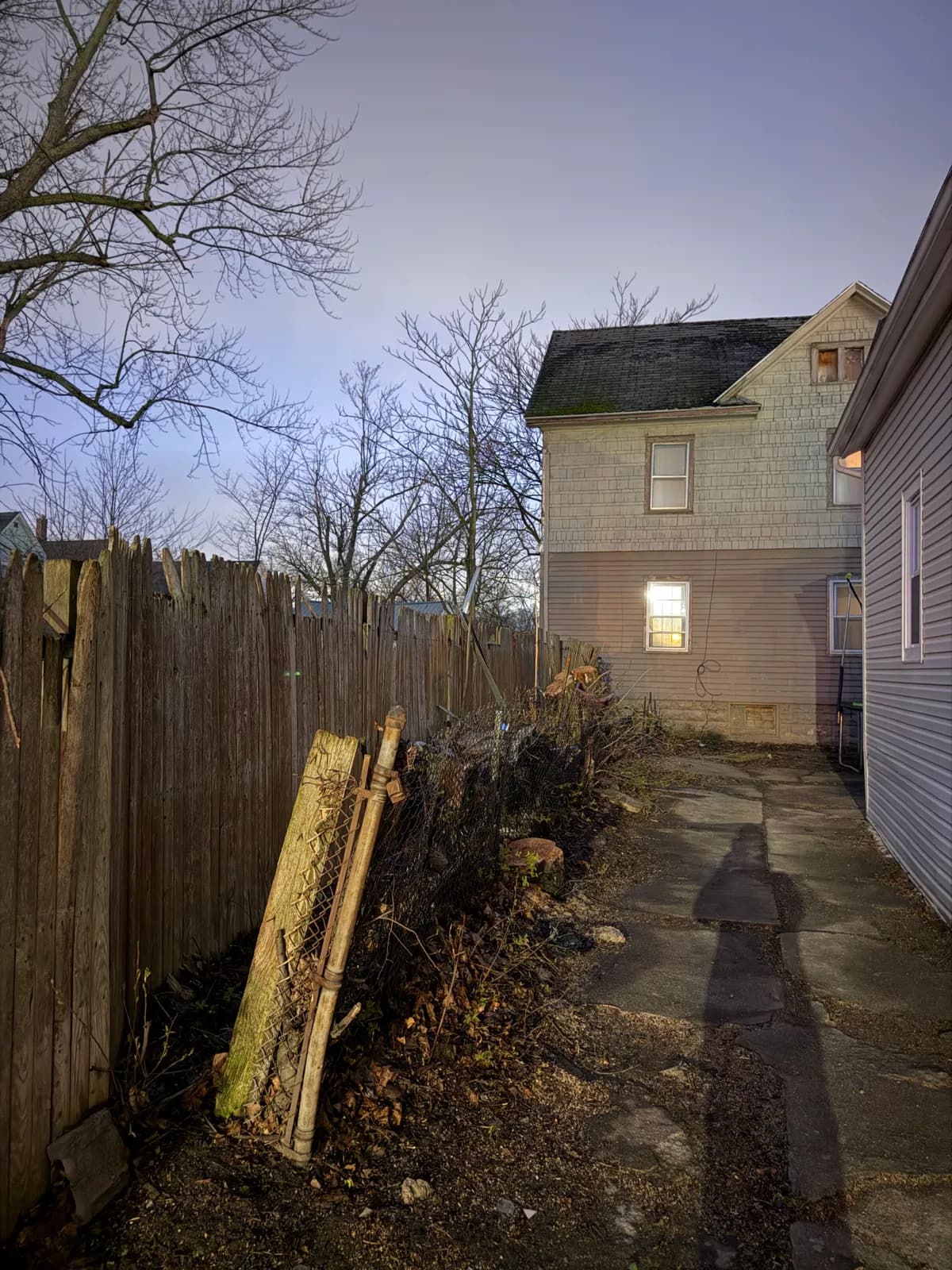
Homeowners searching dead ash trees buffalo ny danger are usually looking at canopy dieback, bark loss, or brittle limbs and wondering how urgent removal really is. In Western New York, dead ash is a high-risk category because emerald ash borer decline often leaves wood structurally unreliable faster than many other species.
The risk is not only complete trunk failure. Upper crown breakage, top-out failure, and unpredictable limb drop can damage roofs, vehicles, and access paths. If your ash is near occupied structures, waiting for another season can significantly increase both hazard and removal complexity.
In this article
- Why dead ash behaves differently from other dead trees
- How emerald ash borer decline progresses
- Timing rules for safer removal
- Buffalo lot constraints that affect risk
- Scope planning for dead ash removals
- Frequently asked questions
Emerald Ash Borer and Structural Decline
Progression signs homeowners should recognize
EAB decline often shows as thinning crown, top dieback, bark splitting, and heavy woodpecker activity. Later stages include widespread branch mortality and epicormic shoots.
Why brittleness changes risk profile
In dead ash trees buffalo ny danger cases, brittle wood can fail with less warning. That affects not just hazard level but also removal method and scheduling urgency.
Why Delayed Removal Gets Harder
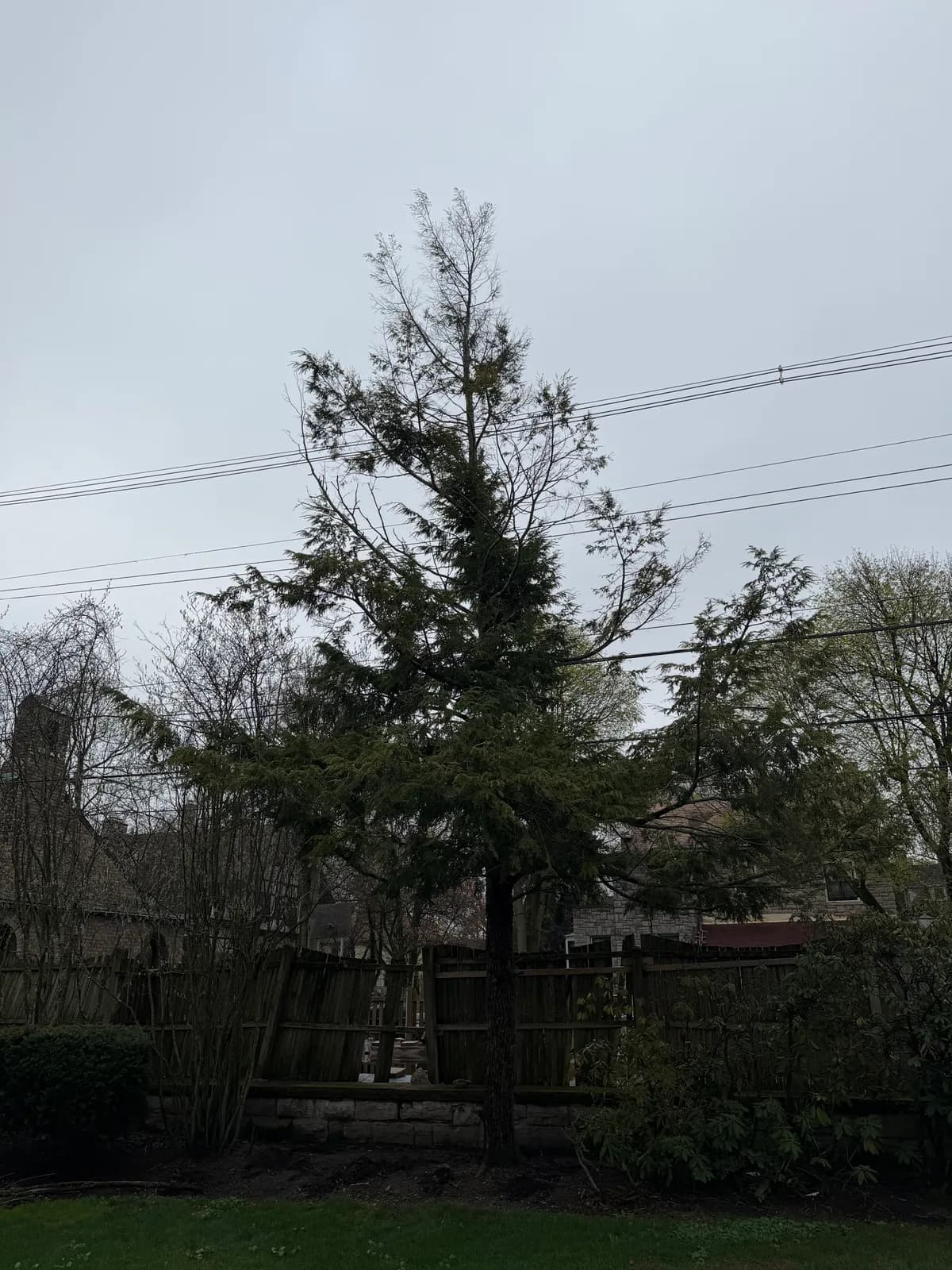
As ash decline advances:
- limb reliability drops
- climbing options narrow
- controlled rigging complexity increases
- emergency probability rises
Early planned scope is usually safer than delayed emergency intervention. If active hazard is present now, use24/7 emergency tree response.
Buffalo Conditions That Amplify Ash Risk
Wet snow, wind exposure, and freeze-thaw cycles increase stress on already brittle ash structure. In older Buffalo and first-ring suburb lots, tight access and nearby structures reduce margin for failure events.
UseCity of Buffalo tree regulationsfor municipal context. For neutral tree safety references, reviewISA arborist guidanceandUSDA Urban Forestry resources.
Remove, Stage, or Monitor?
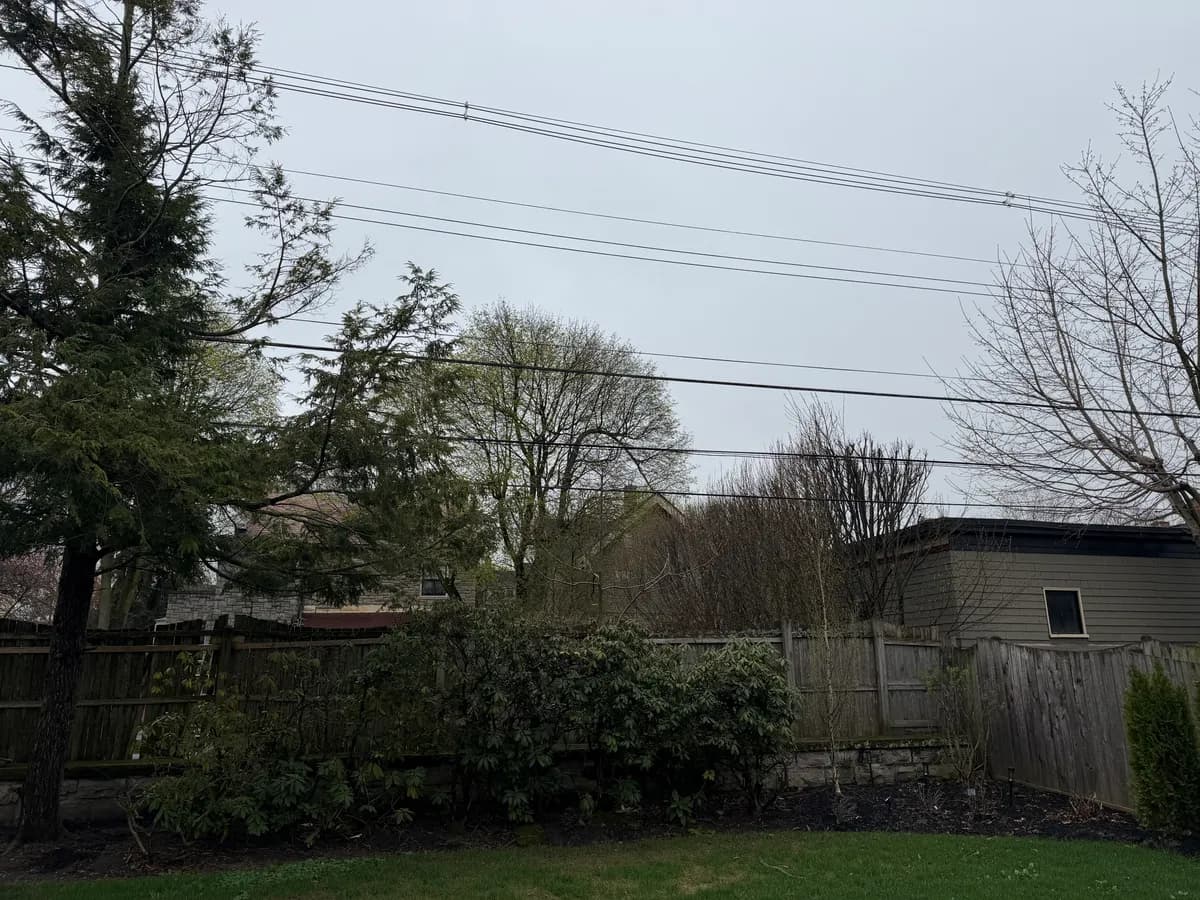
Remove when decline is advanced
For most advanced EAB decline cases,professional tree removal in Buffalois the preferred risk-reduction step.
Stage work across multiple ash trees
If several trees are affected,full-service local tree carecan prioritize the highest-risk stems first while managing budget.
Include stump planning in first scope
When replanting, grading, or hardscape use matters, addcomplete stump grinding supportto avoid fragmented follow-up jobs.
Buffalo Example: Why Timing Matters
A homeowner in Amherst postponed dead ash removal through one winter because the tree still had partial canopy. After two wet snow events, upper crown failures required emergency response and damaged a fence line. The final cost and disruption exceeded the original planned estimate. This pattern is common in dead ash trees buffalo ny danger situations where visible decline is underestimated.
Homeowner checklist before approving dead ash work
Confirm species if uncertain (ash vs maple/oak).
Document canopy dieback progression with photos.
Identify structures and traffic zones under canopy.
Ask estimator about brittleness-related method changes.
Prioritize high-target trees before severe weather periods.
Confirm regional availability throughareas we serve across Western New York.
Conclusion
With dead ash trees buffalo ny danger, the safest window is usually earlier than homeowners think. If decline is advanced, proactive removal planning reduces emergency risk and improves control over method, timing, and cost. Schedule assessment now and prioritize by target exposure.
Frequently Asked Questions
Are dead ash trees more dangerous than other dead trees?
They often are, because brittleness and decline progression can make failure less predictable and removal more complex as time passes.
Can treatment save a heavily declining ash?
In advanced decline, treatment is usually no longer practical. Most late-stage cases are safer with removal rather than deferred intervention.
Should I remove a dead ash in winter or wait?
If risk is active near targets, waiting can increase hazard. Removal timing should follow structural urgency first, then seasonal convenience.
Buffalo field scenario 1
A realistic local example of emerald ash borer decline hazards helps explain why timing decisions matter. In this scenario, homeowners dealing with dead ash trees buffalo ny danger noticed gradual change after two weather cycles, then sharper progression after one high-wind event. The key lesson is that visible trend matters more than one-time appearance. By documenting condition, comparing two itemized scopes, and prioritizing life-safety targets first, the final plan reduced both risk and total disruption. For Buffalo-area lots, this method avoids reactive emergency decisions and keeps work aligned with access, cleanup, and long-term property use.
Another practical takeaway is communication. Owners who discuss drop zones, site protection, and cleanup details before work begins usually avoid most post-job disputes. When the team explains why trim, removal, or monitoring is recommended, homeowners can make confident decisions under pressure. This is especially important when dead ash trees buffalo ny danger involves structures, driveways, sidewalks, or neighboring boundaries where consequences are higher.
From a budgeting standpoint, staged planning is often better than deferral. Addressing highest-risk components first, then scheduling lower-priority corrections, usually costs less than emergency response after avoidable failure. In Buffalo conditions, that strategy is a reliable way to manage emerald ash borer decline hazards while preserving safety and property function.
Buffalo field scenario 2
A realistic local example of emerald ash borer decline hazards helps explain why timing decisions matter. In this scenario, homeowners dealing with dead ash trees buffalo ny danger noticed gradual change after two weather cycles, then sharper progression after one high-wind event. The key lesson is that visible trend matters more than one-time appearance. By documenting condition, comparing two itemized scopes, and prioritizing life-safety targets first, the final plan reduced both risk and total disruption. For Buffalo-area lots, this method avoids reactive emergency decisions and keeps work aligned with access, cleanup, and long-term property use.
Another practical takeaway is communication. Owners who discuss drop zones, site protection, and cleanup details before work begins usually avoid most post-job disputes. When the team explains why trim, removal, or monitoring is recommended, homeowners can make confident decisions under pressure. This is especially important when dead ash trees buffalo ny danger involves structures, driveways, sidewalks, or neighboring boundaries where consequences are higher.
From a budgeting standpoint, staged planning is often better than deferral. Addressing highest-risk components first, then scheduling lower-priority corrections, usually costs less than emergency response after avoidable failure. In Buffalo conditions, that strategy is a reliable way to manage emerald ash borer decline hazards while preserving safety and property function.
Buffalo field scenario 3
A realistic local example of emerald ash borer decline hazards helps explain why timing decisions matter. In this scenario, homeowners dealing with dead ash trees buffalo ny danger noticed gradual change after two weather cycles, then sharper progression after one high-wind event. The key lesson is that visible trend matters more than one-time appearance. By documenting condition, comparing two itemized scopes, and prioritizing life-safety targets first, the final plan reduced both risk and total disruption. For Buffalo-area lots, this method avoids reactive emergency decisions and keeps work aligned with access, cleanup, and long-term property use.
Another practical takeaway is communication. Owners who discuss drop zones, site protection, and cleanup details before work begins usually avoid most post-job disputes. When the team explains why trim, removal, or monitoring is recommended, homeowners can make confident decisions under pressure. This is especially important when dead ash trees buffalo ny danger involves structures, driveways, sidewalks, or neighboring boundaries where consequences are higher.
From a budgeting standpoint, staged planning is often better than deferral. Addressing highest-risk components first, then scheduling lower-priority corrections, usually costs less than emergency response after avoidable failure. In Buffalo conditions, that strategy is a reliable way to manage emerald ash borer decline hazards while preserving safety and property function.