April 30, 2026 · Buffalo Tree Soldiers
A Good Estimate Is a Safety Plan, Not Just a Price
Homeowners searching tree removal estimate buffalo ny usually have one concern: why do quotes vary so much for what seems like the same job? The answer is scope. A professional estimate evaluates structural risk, target exposure, access constraints, crew method, cleanup depth, and liability controls. If those factors are not clearly documented, a low quote can become expensive later.
A reliable estimate should leave you with decision clarity: what will be done, why it is recommended, how risk is controlled, and what total scope is included.
In this article
- What happens during the on-site estimate visit
- The pricing factors that matter most
- Questions to ask every estimator
- Access and safety planning details
- Buffalo-specific estimate considerations
- Frequently asked questions
What Happens During the Visit
Condition and hazard review
The estimator checks species, structural defects, canopy health, target zones, and likely failure consequences.
Site access evaluation
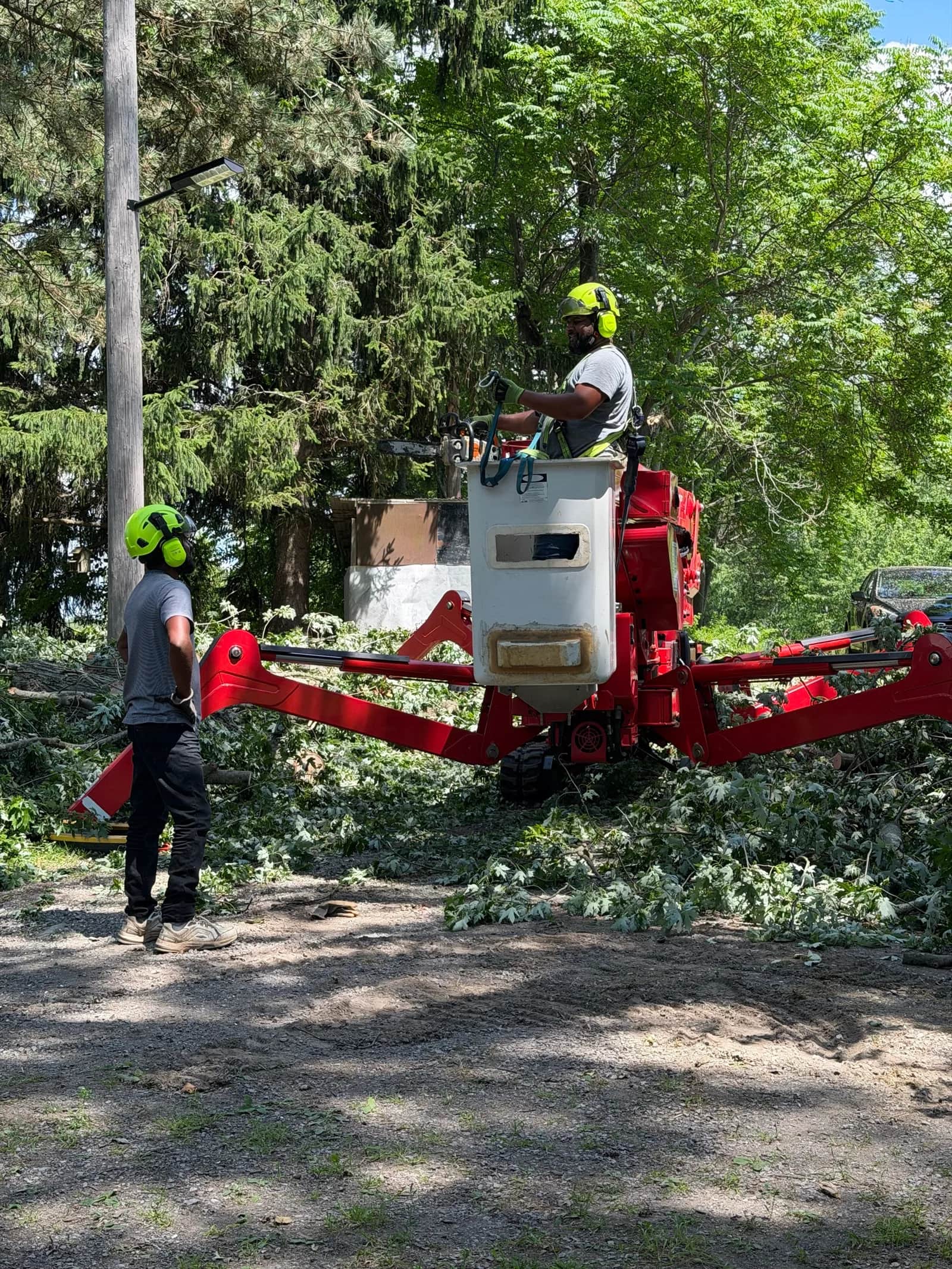
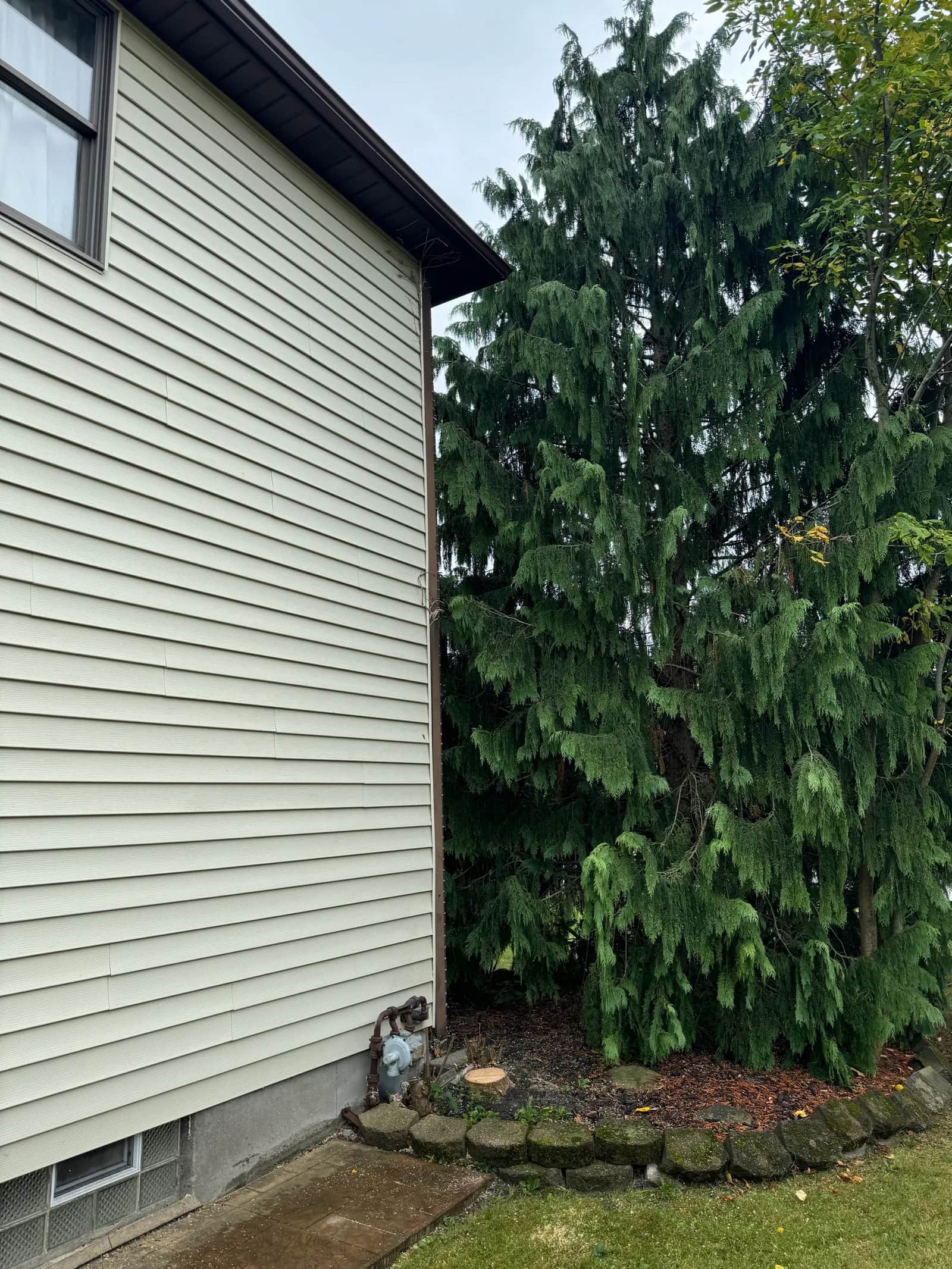
Gate width, surface conditions, utility lines, and neighboring structures all affect method and labor.
Scope options and documentation
A quality tree removal estimate buffalo ny should include clear options (trim vs remove where applicable), cleanup details, timeline expectations, and any exclusions.
What Drives Price Differences
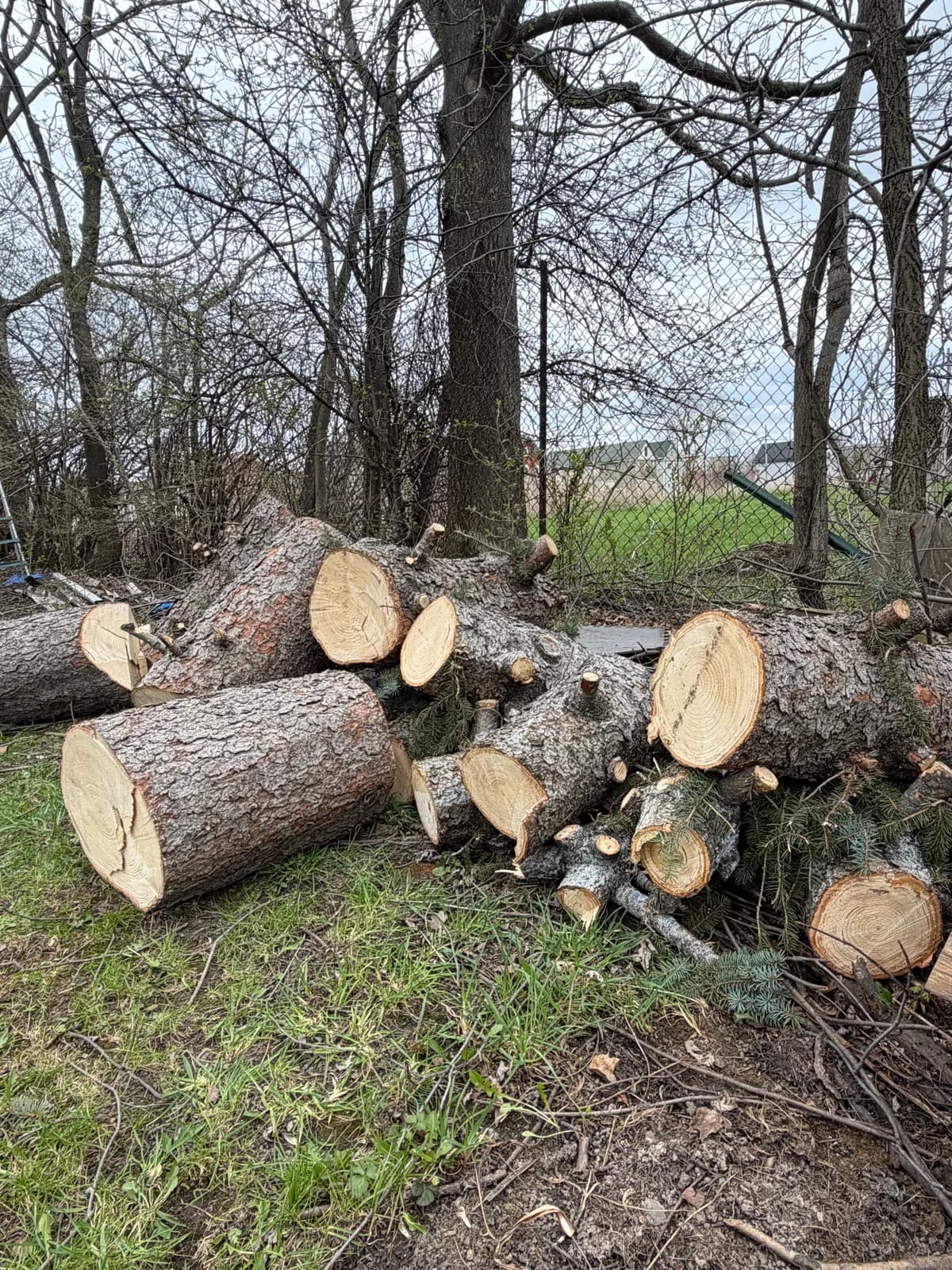
- tree size and structural complexity
- proximity to homes, garages, and lines
- rigging vs open-drop method requirements
- equipment accessibility and protection steps
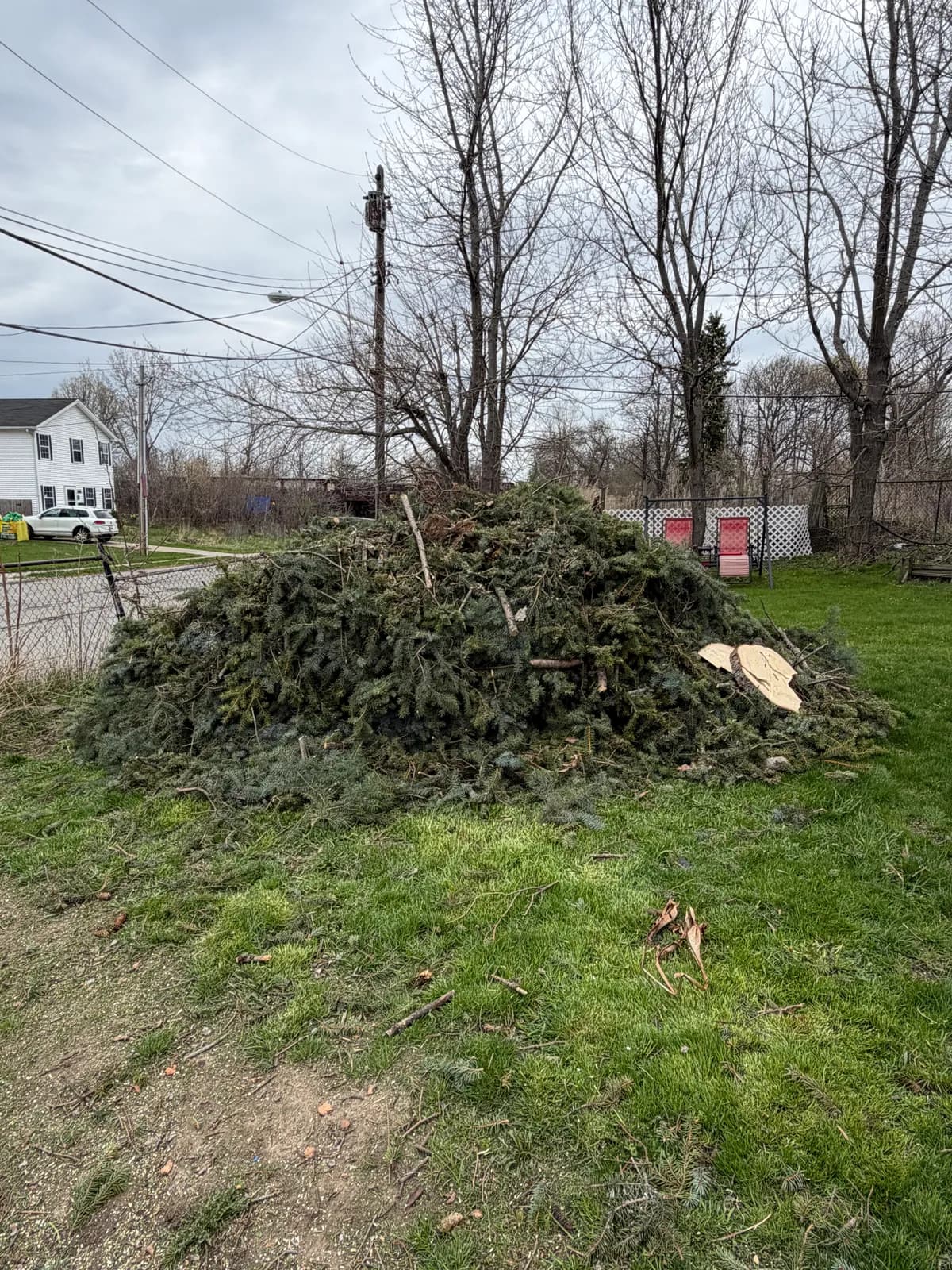
- debris handling and disposal scope
That is why two quotes can differ significantly without either being automatically “wrong.” The real comparison is scope quality, not just total price.
If removal is selected, includecomplete stump grinding supportstatus in writing to avoid surprise add-ons.
Questions Homeowners Should Ask
- What specific hazards did you identify?
- Why is your method appropriate for this site?
- What is included in cleanup and hauling?
- Is stump work included or optional?
- What protection steps are planned for structures and hardscape?
If active hazard exists before scheduled date, ask about24/7 emergency tree responseavailability.
Buffalo-Specific Estimate Factors
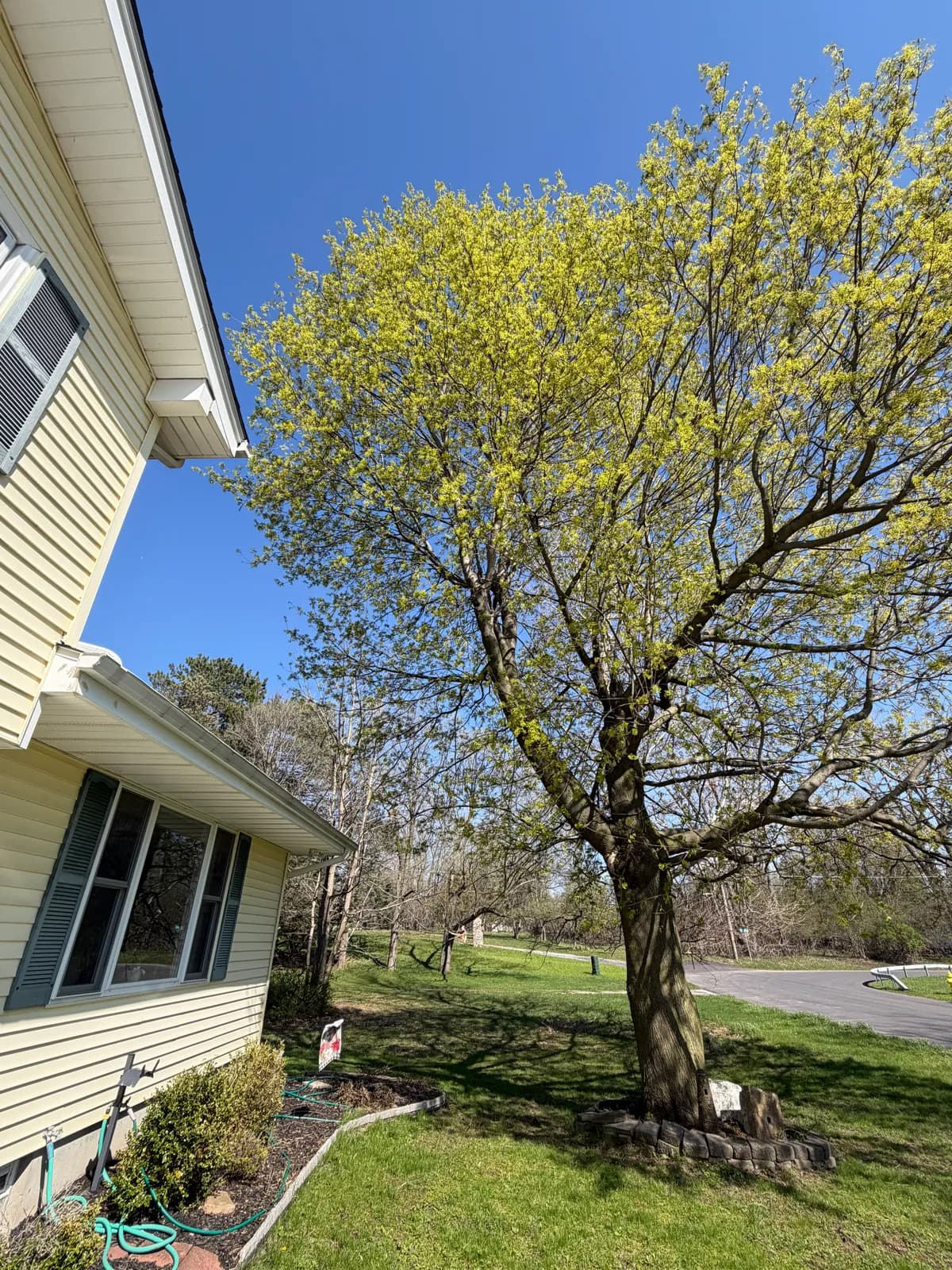
Estimate complexity often differs between compact city parcels in Kenmore or North Buffalo and larger setback lots in West Seneca and Amherst, where crane or bucket access can materially change scope assumptions.
Older lots in Buffalo and nearby suburbs often include tight access, mature canopy, and mixed hardscape that can increase control requirements. Seasonal conditions also influence setup and execution strategy.
For local context, reviewCity of Buffalo tree regulations. For neutral standards, useISA arborist guidanceandUSDA Urban Forestry resources.
Comparing Estimates Without Guesswork
Use a line-by-line matrix:
- hazard findings
- proposed method
- included cleanup
- stump and restoration items
- insurance documentation
- schedule and payment structure
This approach turns tree removal estimate buffalo ny into a transparent decision instead of a bidding gamble.
For portfolio planning across multiple trees,full-service local tree carecan stage work by urgency. Verify local support viaestimate coverage areas in WNY.
Homeowner checklist before approving a quote
- Collect at least two written, itemized estimates.
- Verify insurance and business details.
- Confirm all inclusions/exclusions in writing.
- Ask for site-protection plan specifics.
- Save estimate documents and photos for records.
- Avoid large upfront payments before mobilization.
Conclusion
A strong tree removal estimate buffalo ny process gives you safety logic, scope clarity, and cost transparency. When estimates are detailed and comparable, you can choose confidently based on value and risk control rather than headline numbers.
Frequently Asked Questions
Why are some estimates much lower than others?
Large quote gaps usually indicate different assumptions, not necessarily different quality. Check rigging method, protection plan, cleanup depth, and haul-away terms line by line before comparing totals.
Should I accept an estimate without a site visit?
Use photo-only ranges as preliminary guidance only. Any removal near structures, wires, or tight access zones needs on-site verification to avoid under-scoped pricing and unsafe execution.
Is the cheapest estimate ever the best choice?
Yes—but only after confirming equivalent scope, insurance, and safety controls. If those are not equivalent, the cheapest number is rarely the cheapest outcome.
Additional local planning support is available throughitemized removal scope exampleswhen homeowners need to coordinate scheduling across multiple risk trees.
Buffalo field scenario 1
A realistic local example of estimate scope transparency helps explain why timing decisions matter. In this scenario, homeowners dealing with tree removal estimate buffalo ny noticed gradual change after two weather cycles, then sharper progression after one high-wind event. The key lesson is that visible trend matters more than one-time appearance. By documenting condition, comparing two itemized scopes, and prioritizing life-safety targets first, the final plan reduced both risk and total disruption. For Buffalo-area lots, this method avoids reactive emergency decisions and keeps work aligned with access, cleanup, and long-term property use.
Another practical takeaway is communication. Owners who discuss drop zones, site protection, and cleanup details before work begins usually avoid most post-job disputes. When the team explains why trim, removal, or monitoring is recommended, homeowners can make confident decisions under pressure. This is especially important when tree removal estimate buffalo ny involves structures, driveways, sidewalks, or neighboring boundaries where consequences are higher.
From a budgeting standpoint, staged planning is often better than deferral. Addressing highest-risk components first, then scheduling lower-priority corrections, usually costs less than emergency response after avoidable failure. In Buffalo conditions, that strategy is a reliable way to manage estimate scope transparency while preserving safety and property function.
Buffalo field scenario 2
A realistic local example of estimate scope transparency helps explain why timing decisions matter. In this scenario, homeowners dealing with tree removal estimate buffalo ny noticed gradual change after two weather cycles, then sharper progression after one high-wind event. The key lesson is that visible trend matters more than one-time appearance. By documenting condition, comparing two itemized scopes, and prioritizing life-safety targets first, the final plan reduced both risk and total disruption. For Buffalo-area lots, this method avoids reactive emergency decisions and keeps work aligned with access, cleanup, and long-term property use.
Another practical takeaway is communication. Owners who discuss drop zones, site protection, and cleanup details before work begins usually avoid most post-job disputes. When the team explains why trim, removal, or monitoring is recommended, homeowners can make confident decisions under pressure. This is especially important when tree removal estimate buffalo ny involves structures, driveways, sidewalks, or neighboring boundaries where consequences are higher.
From a budgeting standpoint, staged planning is often better than deferral. Addressing highest-risk components first, then scheduling lower-priority corrections, usually costs less than emergency response after avoidable failure. In Buffalo conditions, that strategy is a reliable way to manage estimate scope transparency while preserving safety and property function.
Buffalo field scenario 3
A realistic local example of estimate scope transparency helps explain why timing decisions matter. In this scenario, homeowners dealing with tree removal estimate buffalo ny noticed gradual change after two weather cycles, then sharper progression after one high-wind event. The key lesson is that visible trend matters more than one-time appearance. By documenting condition, comparing two itemized scopes, and prioritizing life-safety targets first, the final plan reduced both risk and total disruption. For Buffalo-area lots, this method avoids reactive emergency decisions and keeps work aligned with access, cleanup, and long-term property use.
Another practical takeaway is communication. Owners who discuss drop zones, site protection, and cleanup details before work begins usually avoid most post-job disputes. When the team explains why trim, removal, or monitoring is recommended, homeowners can make confident decisions under pressure. This is especially important when tree removal estimate buffalo ny involves structures, driveways, sidewalks, or neighboring boundaries where consequences are higher.
From a budgeting standpoint, staged planning is often better than deferral. Addressing highest-risk components first, then scheduling lower-priority corrections, usually costs less than emergency response after avoidable failure. In Buffalo conditions, that strategy is a reliable way to manage estimate scope transparency while preserving safety and property function.